
The Importance of Preparing Land for Farming Success
In the world of agriculture, preparing land is a crucial first step. Without proper preparation, crops may fail, leading to wasted resources and effort. Through careful planning and execution, land can be transformed into a productive area that supports healthy crop growth. This process not only involves removing obstacles but also optimizing the soil conditions to ensure maximum yield.
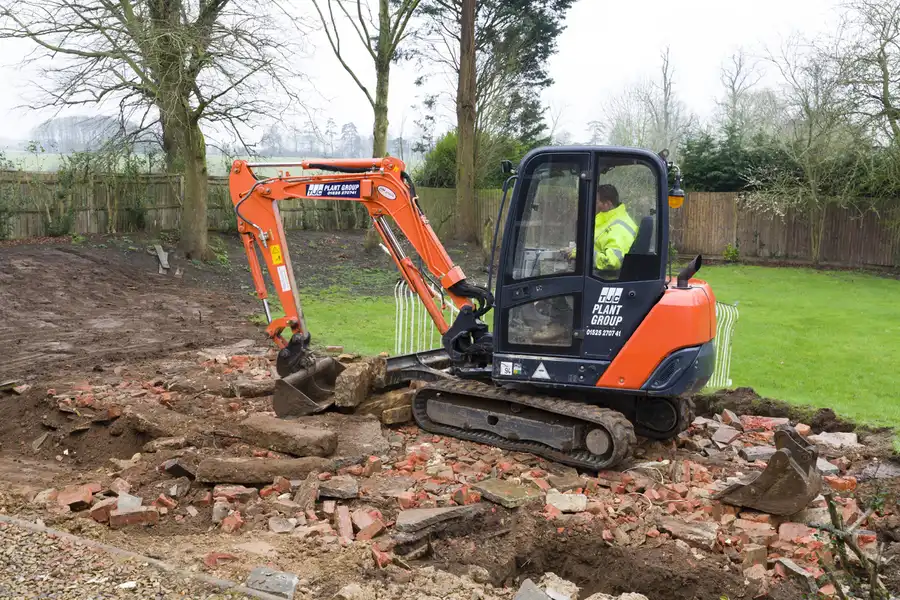
Preparing the Ground for Productive Use
Removing unwanted vegetation and debris is an essential part of preparing the ground for farming. This process, known as land clearing, helps in creating a clean slate for planting. By getting rid of old trees and shrubs, farmers can create space for new crops. It also reduces competition for nutrients and improves sunlight exposure.
Boosting Soil Health and Fertility
Once land clearing is complete, enhancing the soil’s health becomes the next focus. Healthy soil means better nutrient availability for plants. Adding organic matter, such as compost or manure, enriches the soil. Testing the soil pH ensures it is in optimal range for specific crops, allowing farmers to make necessary adjustments.

Increasing Efficiency With Modern Techniques
Modern techniques have significantly improved the efficiency of agricultural projects. With advancements in technology, tasks like plowing, seeding, and fertilization are now quicker and more precise. For instance, using GPS-guided equipment allows for accurate placement of seeds and fertilizers, thus reducing waste and improving productivity.
Addressing Common Challenges in Land Preparation
Despite its importance, preparing land comes with challenges. One major issue is erosion control. Without proper measures, topsoil can wash away during heavy rains, leading to decreased fertility. Implementing strategies like planting cover crops can help hold the soil together. Additionally, managing pests and diseases before they become a problem is crucial for a successful harvest season.
Implementing Best Practices for Successful Outcomes
To achieve success in agricultural projects, following industry best practices is vital. These include:
- Selecting crop varieties suitable for the local climate
- Implementing crop rotation to maintain soil health
- Using sustainable irrigation methods to conserve water
- Monitoring soil health regularly to detect issues early on
Navigating Cost Considerations Effectively
Another significant aspect is managing costs efficiently. The initial investment might seem high due to machinery rentals or labor costs. However, focusing on long-term gains through increased productivity can offset these expenses. Farmers must weigh the cost against potential returns, considering factors such as crop type and market demand.
Your Pathway to Agricultural Success
Taking steps towards effective land management can lead you to successful agricultural endeavors. Located in Santo, TX, I am committed to helping you maximize your farm’s potential. At CT3 Management, I specialize in providing expert guidance tailored to your unique needs. Call me at (940) 275-5527 today to learn how I can support your farming ambitions.