
Why Proper Soil Compaction Matters for Construction Projects
Soil compaction is a critical step in the site development process. It involves compressing soil particles to reduce spaces between them, which increases the density and stability of the ground. This procedure ensures that the foundation of any structure built on it will be stable and durable. Without proper compaction, structures can suffer from uneven settling or even collapse over time. Hence, understanding the importance of soil compaction is vital for successful construction projects.
The Role of Dirt Work in Construction
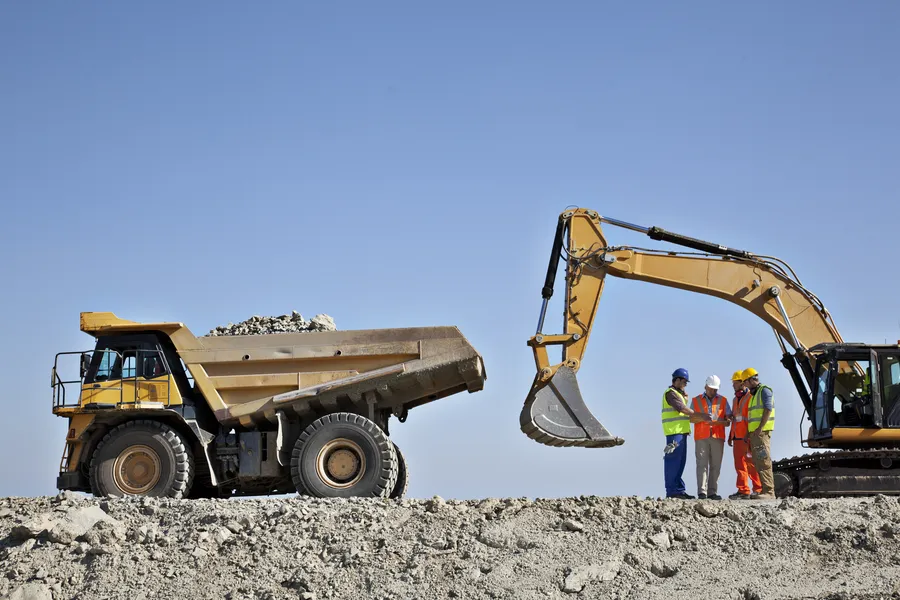
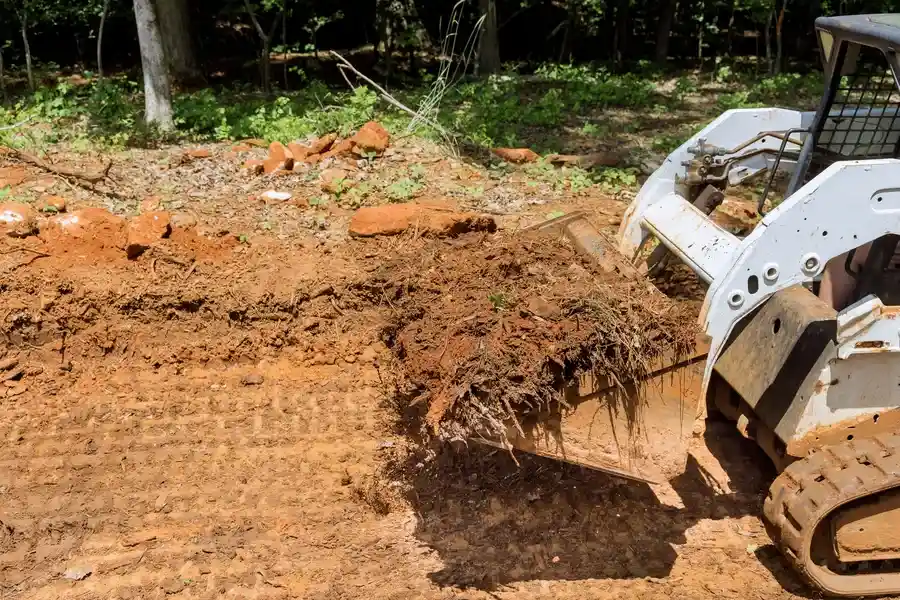
Dirt work refers to all activities related to earthmoving and soil preparation before building begins. These tasks include grading, leveling, and compacting soil to prepare the site for further construction. When dirt work is executed correctly, it creates a solid base that supports roads, buildings, and other infrastructure components. Properly compacted soil contributes to project safety and longevity by preventing future issues such as erosion and shifting.
Basic Steps Involved in Soil Compaction
To achieve optimal soil compaction, several steps must be followed:
- Assess soil type: Different soils require different compaction techniques.
- Moisture control: Ensure proper moisture levels for efficient compaction.
- Layer placement: Compact soil in thin layers rather than one thick layer.
- Use appropriate equipment: Select machinery suited for the specific job.
Equipment Used in Dirt Work
Various machines are used in dirt work to achieve effective soil compaction. Rollers are commonly employed and come in types like smooth-wheel rollers, pneumatic rollers, and sheepsfoot rollers. Each type serves different purposes based on soil characteristics and project requirements. Choosing the right equipment is essential for ensuring uniform compaction across the project site.
The Benefits of Effective Soil Compaction
Proper soil compaction offers numerous advantages:
- Enhanced load-bearing capacity: Supports heavier structures without risk of failure.
- Improved stability: Reduces risks of settlement and ground movement.
- Decreased permeability: Prevents water seepage that could weaken foundations.
- Longevity: Extends the lifespan of infrastructure by maintaining structural integrity.
Challenges Faced During Soil Compaction
Despite its benefits, soil compaction presents certain challenges. Variations in soil types demand different approaches, and improper moisture levels can hinder effective compaction. Additionally, inadequate machine use or operator skill may result in inconsistencies across the site. Overcoming these hurdles requires thorough planning and expertise to ensure precise execution.
Best Practices for Successful Soil Compaction
To ensure high-quality soil compaction, follow these best practices:
- Conduct comprehensive soil analysis before beginning.
- Ensure consistent moisture content throughout the process.
- Employ skilled operators with experience in handling specific equipment.
- Regularly monitor progress and make adjustments as necessary.
Understanding Cost Considerations in Site Development
The cost of soil compaction can vary based on factors like project size, equipment used, and required labor. While investing in quality compaction services might seem costly upfront, it prevents expensive repairs down the line due to foundational failures. Prioritizing proper compaction enhances return on investment by reducing long-term maintenance needs.
Your Reliable Partner for Quality Site Preparation
If you are ready to start your next construction project on firm ground, contact CT3 Management at (940) 275-5527. Based in Santo, TX, I specialize in providing top-tier site preparation services that ensure durability and stability. Let’s lay the groundwork for your success together.