
Understanding the Role of Early-Stage Work in Construction Projects
When it comes to construction, laying the groundwork is crucial. The first steps taken during a project can set the tone for everything that follows. This is where early-stage planning becomes vital. By addressing potential issues early, you can avoid delays and costly mistakes. Proper initial steps ensure that subsequent stages run smoothly, reducing stress on resources and timelines. Let’s explore how starting right impacts overall project success.
The Importance of Groundwork Before Digging Begins
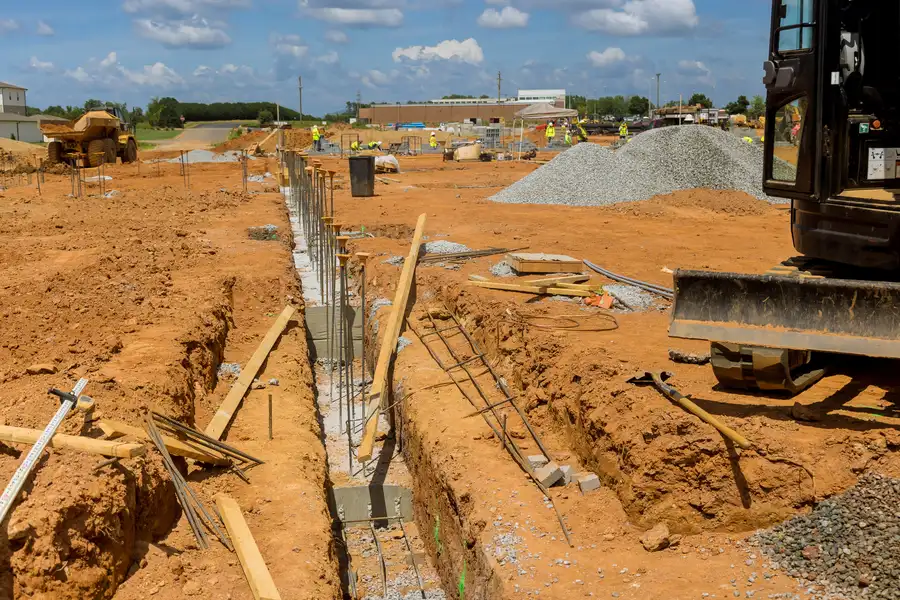
The groundwork phase is essential in any construction project. It involves assessing the site to identify soil types, slopes, and natural obstacles. During this stage, Site Preparation plays a critical role. By understanding these factors, you create a stable base for your building, ensuring safety and longevity. A thorough assessment helps in preventing problems down the line, such as shifting foundations or water damage.
Why Planning Matters More Than You Think
Proper planning helps streamline the entire excavation process. When executed well, it can prevent disruptions and save both time and money. A key component is effective communication among all parties involved-contractors, architects, and engineers. As part of this strategy, Site Preparation ensures everyone is on the same page from day one. This approach minimizes errors and maximizes productivity, leading to successful project completion.

Anticipating Challenges With Proactive Measures
Expecting challenges before they arise allows for smoother execution of plans. Common obstacles include fluctuating weather conditions and unexpected ground conditions. However, having a contingency plan can mitigate these risks. By conducting thorough assessments beforehand, you prepare for various scenarios. This level of preparedness can make all the difference in staying on schedule and within budget.
- Conduct soil tests to understand ground stability
- Develop a detailed timeline outlining each phase
- Coordinate with local authorities for necessary permits
Implementing Best Practices for Efficient Execution
Adopting best practices leads to more efficient project execution. These include using high-quality materials and employing skilled laborers. Regular training sessions keep teams updated on industry standards, enhancing their performance on-site. Consistent evaluation and feedback loops also contribute to continuous improvement. By fostering a culture of excellence, you set the stage for long-term success in construction projects.
Meeting Industry Standards and Regulatory Requirements
Compliance with industry standards is non-negotiable in construction. Failing to meet them can result in fines or legal complications. Therefore, it’s imperative to stay informed about relevant regulations affecting your project. This includes zoning laws and environmental considerations. Regular audits help ensure adherence to guidelines, thereby safeguarding your project from unforeseen setbacks.
Financial Planning: Balancing Cost and Quality
Balancing cost while maintaining quality is a common concern in construction. Effective budgeting incorporates allowances for unexpected expenses without compromising on material quality or workmanship. One practical approach involves investing in reliable equipment that reduces maintenance costs over time. Additionally, negotiating bulk discounts with suppliers can offer significant savings without sacrificing quality.
Your Path to Successful Project Completion
Embarking on a new construction project requires careful consideration of multiple factors. By prioritizing initial steps like proper Site Preparation, you set the groundwork for success. Located in Santo, TX, I offer expertise tailored to your unique needs. Contact me at (940) 275-5527 to discuss how CT3 Management can support your next venture with precision and professionalism.